Case studies
What changed on the floor,not on the pitch deck.
Three organizations describe the operations problem they had, what they changed, and what the numbers look like now.
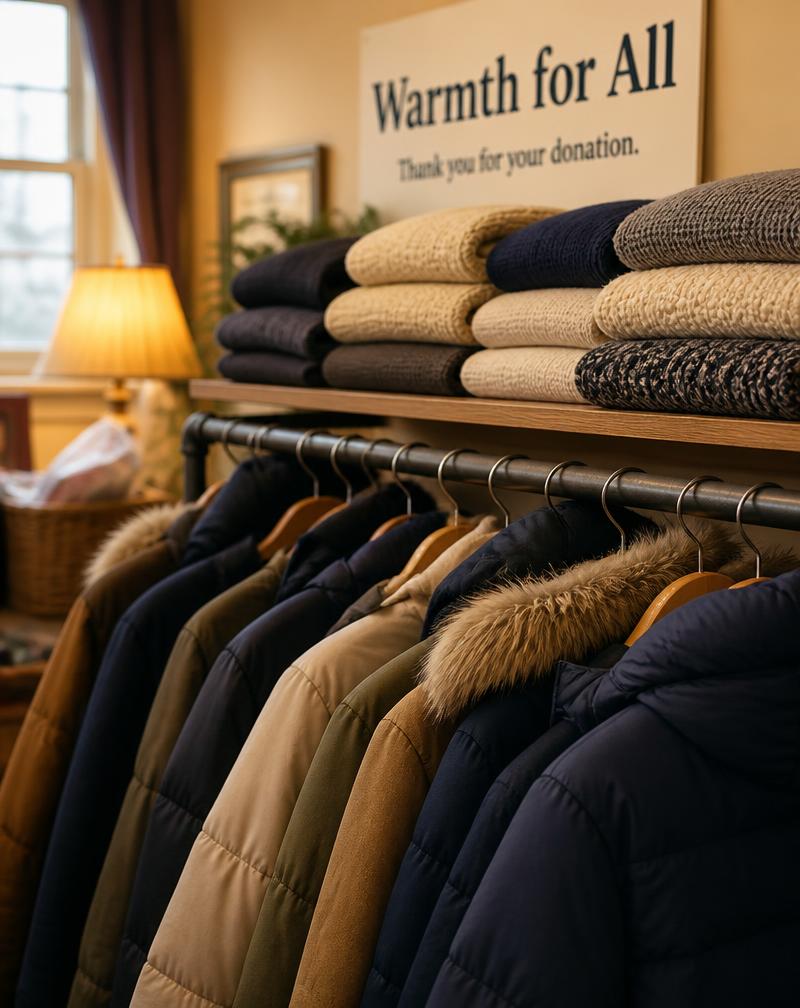
Winter drive · Lighthouse Family Shelter
A coat drive filled in 48 hours
62-bed family shelter · 9 staff · Portland, OR
Staff posted 40 coats as a need on a Tuesday afternoon. Neighbors claimed 31 of them by Thursday morning, each with a drop-off code, so the receiving desk knew exactly what was coming and in what size.
48 hrs
To fill the need
0
Duplicate donations
31
Coats claimed by neighbors
The problem
Every November the shelter posted a coat drive to social media and received whatever arrived: adult XLs when they needed kids' 6-8, summer jackets, single gloves. Two volunteers spent the first week of December sorting donations they could not use.
What they changed
- Published sizes as separate needs instead of one general ask
- Turned on claim codes so each donor reserved a specific line item
- Let the needs page auto-close a size once it was fully claimed
Where it landed
The drive closed in two days with nothing left to re-home. Sorting time dropped from roughly 14 volunteer hours to under two, and the family services lead could tell caseworkers exactly which sizes were on the rack that morning.
“For the first time we ended a coat drive with an empty sorting room instead of a full one.”
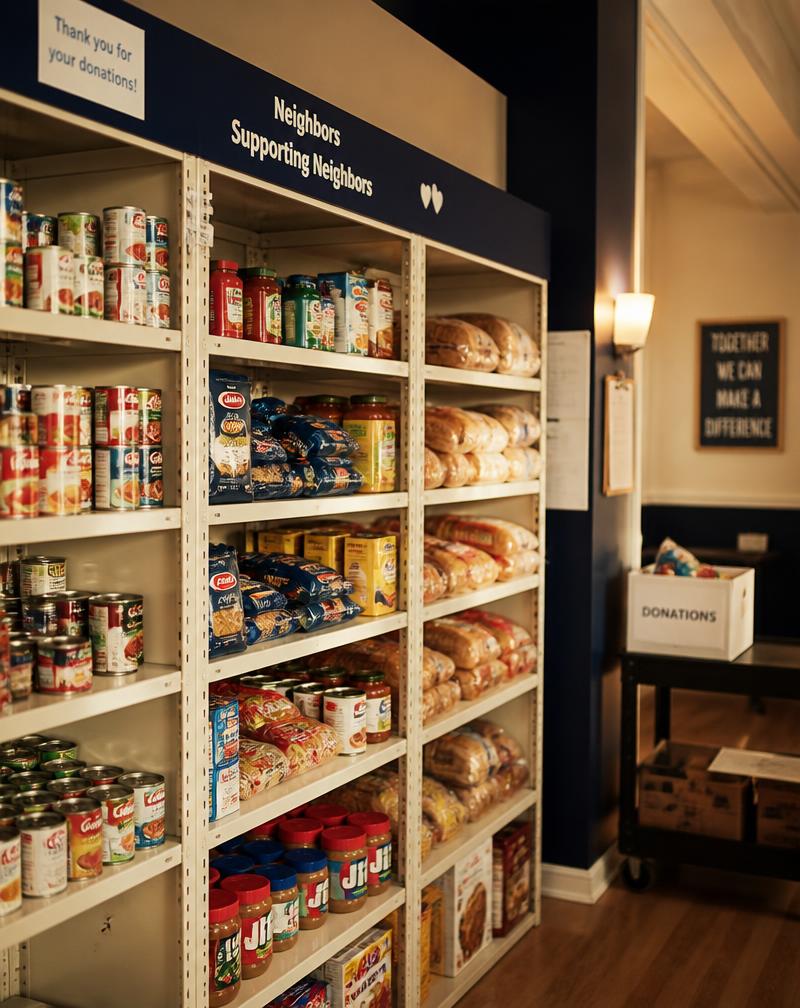
Pantry logistics · Harborview Food Bank
The protein shelf stopped going empty
Regional food bank · 1,900 households/month · 3 warehouse locations
Days-of-cover tracking flagged the canned protein shelf six days before it would run out. GiveKrate auto-suggested the need, published it, and the shelf never hit zero again during the quarter.
6 days
Average early warning
0
Stockouts last quarter
292
Cans donated in a week
The problem
Inventory lived in a spreadsheet updated on Fridays. By the time anyone noticed canned protein was low, the shelf had already been empty for two distribution days and staff were buying tuna at retail to cover the gap.
What they changed
- Logged outflow at distribution so days-of-cover updated in real time
- Set reorder thresholds per shelf rather than per category
- Let low shelves auto-draft a public need for a manager to approve
Where it landed
Emergency retail purchases fell by about $4,100 across the quarter. Warehouse leads now plan pickups against a forecast instead of a memory, and the three locations can see each other's cover before requesting a transfer.
“We stopped buying tuna at grocery prices because we finally knew a week ahead.”

Intake · Cedar Grove Youth Housing
Four minutes back on every donation
Transitional youth housing · 28 units · volunteer-run intake desk
Photo intake replaced the paper log. A volunteer photographs the counter, reviews the drafted line items, and confirms. The receipt emails itself and the items are shelved to the need they filled.
24 sec
Average intake time
120
Welcome kits logged
100%
Receipts sent same day
The problem
Donations were written on a clipboard and typed up later, often days later. Receipts went out weeks after the gift, valuations were guesswork, and roughly a fifth of the paper entries were never entered at all.
What they changed
- Volunteers photograph the counter and confirm the drafted line items
- Fair market values pull from a shared internal reference table
- Receipts send automatically the moment intake is confirmed
Where it landed
Intake dropped from about four and a half minutes per donation to under half a minute, and the audit trail became complete enough that the annual in-kind report took an afternoon instead of a week.
“A new volunteer can run the receiving desk on their first shift without training.”